
Introduction
On paper, the move makes perfect sense.
You have the track record. The experience. The results. You’ve performed well in demanding environments, earned trust, and built credibility over time. So when an international opportunity comes up, it feels like the natural next step.
And then something shifts.
Meetings feel off. Communication doesn’t land the way it used to. Decisions take longer. You second-guess yourself more than you’d like to admit. The confidence that once felt stable starts to fluctuate.
This is more common than most professionals expect.
According to Harvard Business Review, high performers often face unexpected friction in new cultural environments, not because they lack capability, but because the context has changed.
Success doesn’t always transfer automatically. It needs to be translated.
Table of Contents
- The Hidden Gap Between Competence and Context
- When Familiar Strengths Stop Working
- The Confidence Dip Most People Don’t Talk About
- Cultural Misalignment, Not Personal Failure
- The Role of Identity in Professional Performance
- How to Rebuild Confidence with Cultural Intelligence
- FAQs
- Conclusion
The Hidden Gap Between Competence and Context
High performers are used to operating with clarity.
They understand expectations. They know how to influence stakeholders. They can read situations quickly and act decisively.
When they move abroad, that clarity disappears.
Research from McKinsey & Company shows that cross-cultural environments introduce complexity in decision-making, communication, and leadership expectations. What worked in one setting may not apply in another.
This creates a gap:
- Your competence remains the same
- But the context has changed
The challenge is not about becoming better. It’s about becoming aligned.
When Familiar Strengths Stop Working
One of the most disorienting parts of working abroad is realizing that your strengths don’t always land the same way.
Direct communication might be seen as efficient in one culture and abrupt in another. Initiative may be valued in one workplace and perceived as overstepping in another.
The Cultural Intelligence Center highlights how cultural norms shape interpretation, not just behavior.
Similarly, Hofstede Insights explains how dimensions like power distance and individualism influence how leadership is received.
High performers rely on patterns. When those patterns stop working, performance feels inconsistent.
It’s not that the strength is wrong. It’s that the environment reads it differently.
The Confidence Dip Most People Don’t Talk About
There’s a moment many professionals experience but rarely articulate.
They begin to question themselves.
Am I not as good as I thought?
Why is this harder than it should be?
Why do I feel less certain in situations I used to handle easily?
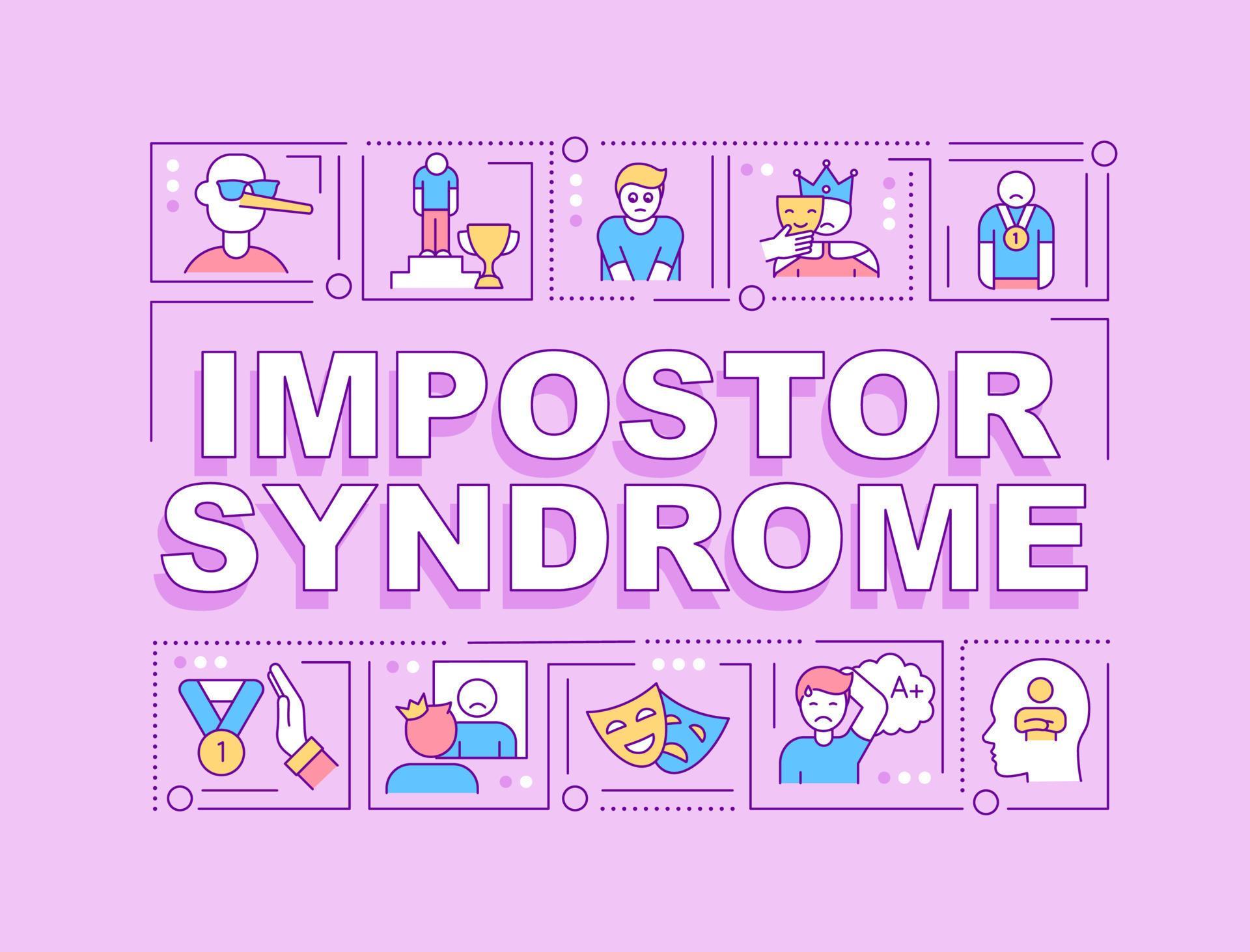
The American Psychological Association describes this as a response to unfamiliar environments that challenge identity and self-efficacy.
At the same time, research from the World Economic Forum emphasizes how rapid environmental change impacts confidence and performance, especially in global roles.
This confidence dip is not a sign of decline. It’s a signal of transition.
But without understanding what’s happening, many professionals internalize it as failure.
Cultural Misalignment, Not Personal Failure
One of the biggest mistakes high performers make is assuming the problem is personal.
In reality, it is often cultural.
Different environments carry different expectations around:
- Communication style
- Decision-making speed
- Feedback delivery
- Authority and hierarchy
The Society for Human Resource Management (SHRM) notes that global organizations frequently struggle with aligning these expectations across regions.
Meanwhile, Boston Consulting Group has found that multicultural teams perform better when leaders actively manage these differences rather than ignore them.
Misalignment creates friction. And friction, if left unaddressed, impacts performance.
Understanding this distinction changes everything. It shifts the question from “What’s wrong with me?” to “What is this environment expecting?”
The Role of Identity in Professional Performance
Work is not just about output. It is also about identity.
When professionals move abroad, they are not only adapting to a new workplace. They are adjusting to a new version of themselves.
The Greater Good Science Center highlights how belonging and identity directly influence well-being and engagement.
When you feel understood, performance flows more naturally. When you feel like an outsider, even simple tasks require more effort.
This is why many expats describe feeling “off” even when everything seems fine externally.
The challenge is not just operational. It is personal.
How to Rebuild Confidence with Cultural Intelligence
Confidence does not return by waiting. It returns through alignment.
Cultural intelligence provides a practical way to rebuild that alignment.
1. Learn the New Rules of the Environment
Observe how communication, hierarchy, and decision-making function in your new context.
2. Adjust Delivery, Not Identity
You don’t need to become someone else. You need to express your strengths in ways that fit the environment.
3. Ask for Feedback Early
Clarity reduces uncertainty. Direct conversations often reveal expectations faster than observation alone.
4. Rebuild Small Wins
Confidence grows through consistent, visible progress.
5. Work with Someone Who Understands the Transition
External perspective helps separate personal doubt from contextual reality.
Through her work at Xpattitudes, Sandra Bonifacio supports professionals navigating exactly this shift. Her coaching focuses on helping high performers understand new cultural environments, adjust their communication and leadership style, and rebuild confidence without losing their sense of self.
What many clients realize is simple but powerful: they were never underperforming. They were just operating without the right cultural context.
FAQs
1. Why do high performers struggle more than others abroad?
Because they are used to consistent results. When those results fluctuate, the contrast feels sharper.
2. Is this struggle temporary?
Yes, if addressed. Without adjustment, it can persist longer than expected.
3. How long does it take to regain confidence?
It varies, but structured reflection and cultural learning significantly reduce the adjustment period.
4. Can cultural intelligence be developed quickly?
Yes. Focused learning and guided coaching accelerate the process.
5. Is this challenge only professional or also personal?
Both. Work performance and personal identity are closely linked in new environments.
6. Where can I start learning more about cross-cultural work?
Resources from Harvard Business Review, Hofstede Insights, and McKinsey & Company offer strong starting points.
Conclusion
High performers do not lose their ability when they move abroad.
They lose familiarity.
The environment changes. Expectations shift. Communication patterns evolve. And without clarity, even the most capable professionals begin to question themselves.
But this is not a story of decline. It is a process of recalibration.
With cultural intelligence, self-awareness, and the right guidance, performance stabilizes again, often at a higher level than before.
If you are navigating this transition and finding it harder than expected, Sandra Bonifacio’s coaching can help you make sense of the shift, adjust with clarity, and step back into your role with confidence that feels grounded, not forced.