
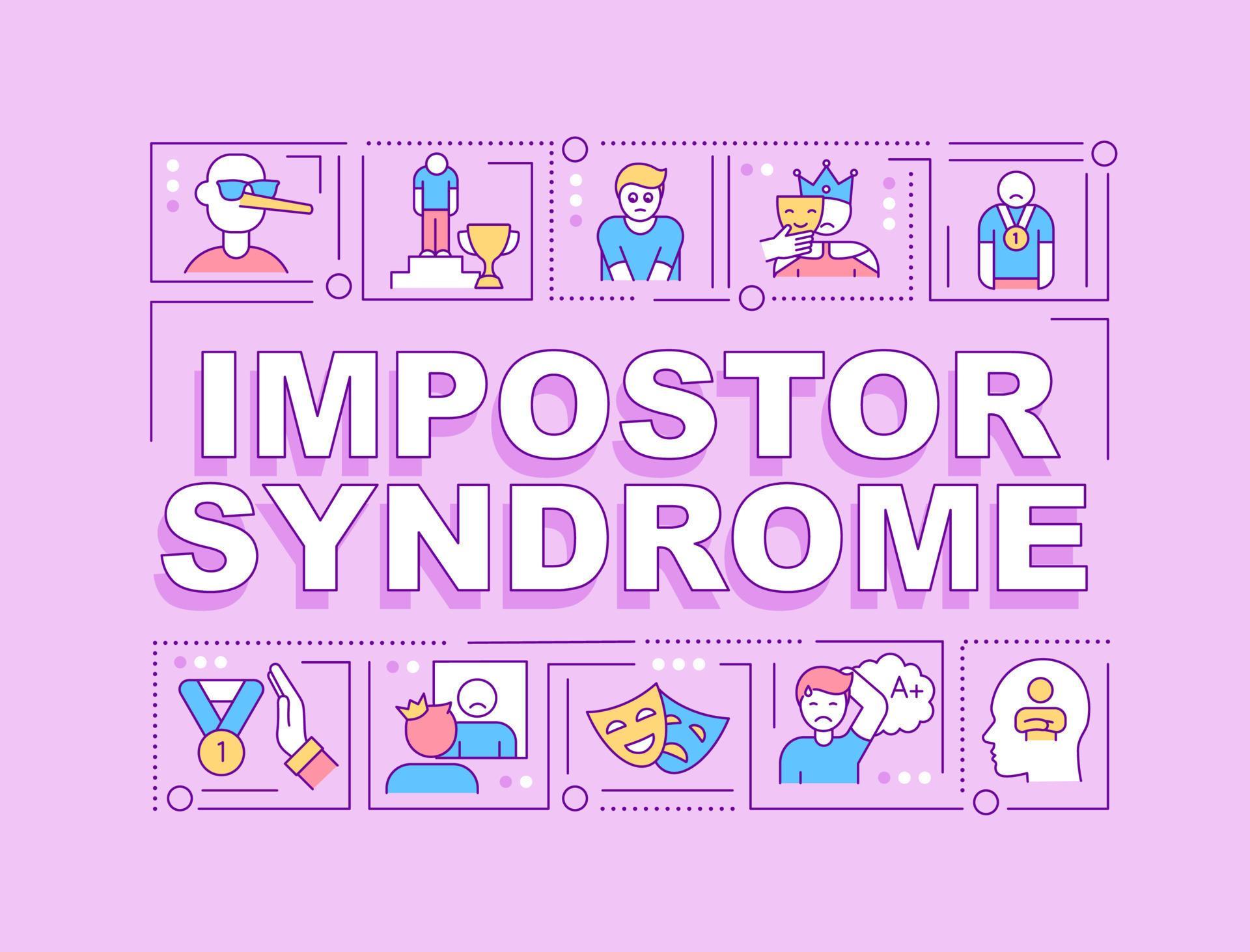
Introduction
You’ve done the work to get here.
You’ve built a strong career, earned your place, and proven your capabilities over time. Then you move abroad, or step into a global role, and something shifts internally.
You hesitate before speaking. You replay conversations in your head. You start questioning whether you actually belong in the room.
This experience often gets labeled as impostor syndrome. And while that’s not entirely wrong, it’s also not the full picture.
According to Harvard Business Review, feelings of self-doubt often intensify in unfamiliar environments, especially when expectations are unclear and feedback is limited.
Working abroad doesn’t create impostor syndrome out of nowhere. But it does amplify the conditions where it shows up.
Table of Contents
- What Impostor Syndrome Really Is (and Isn’t)
- Why It Feels Stronger in a New Country
- The Role of Cultural Context in Self-Doubt
- When Competence Feels Invisible
- Language, Communication, and Confidence
- How to Rebuild Trust in Your Own Ability
- FAQs
- Conclusion
What Impostor Syndrome Really Is (and Isn’t)
Impostor syndrome is often described as the feeling of being a fraud despite evidence of success.
The concept was first identified in research by Pauline Clance and has since been widely discussed in professional settings.
But not all self-doubt is impostor syndrome.
The American Psychological Association notes that self-doubt can also be a natural response to new and complex environments.
When you move abroad, you are not just doing the same job in a different place. You are navigating:
- New cultural norms
- Different communication styles
- Unwritten expectations
What you’re feeling may not be irrational doubt. It may be a response to real uncertainty.
Why It Feels Stronger in a New Country
In familiar environments, you rely on patterns.
You know how meetings flow. You understand what your manager expects. You can read between the lines without thinking too much about it.
In a new country, those patterns disappear.
Research from McKinsey & Company highlights how ambiguity in global roles can impact decision-making confidence and performance.
At the same time, insights from World Economic Forum show that adaptability and resilience become critical in unfamiliar work environments.
Without clear signals, your brain fills in the gaps, often with doubt.
The Role of Cultural Context in Self-Doubt
One of the most overlooked aspects of impostor syndrome abroad is culture.
What feels like underperformance may actually be misalignment.
According to Hofstede Insights, cultures differ significantly in how they approach hierarchy, communication, and feedback.
The Cultural Intelligence Center explains that individuals often misinterpret unfamiliar behaviors as personal shortcomings.
For example:
- A lack of direct feedback might feel like disapproval
- Silence in meetings might feel like rejection
- Indirect communication might feel confusing or unclear
In reality, these are cultural differences, not reflections of your capability.
When Competence Feels Invisible
High performers are used to being recognized.
Their work is visible. Their contributions are understood. Their impact is acknowledged.
In a new environment, that visibility can drop.
The Society for Human Resource Management notes that professionals in global roles often experience reduced visibility due to communication gaps and cultural differences.
Meanwhile, Boston Consulting Group emphasizes that inclusion and recognition play a key role in performance and engagement.
When your work is not fully seen or understood, it’s easy to internalize that as inadequacy.
But often, it’s a visibility issue, not a capability issue.
Language, Communication, and Confidence
Even if you are fluent in the working language, communication abroad requires more than vocabulary.
Tone, pacing, and nuance all play a role.
Research from Stanford Graduate School of Business highlights how communication effectiveness depends on audience alignment, not just clarity.
The British Council also emphasizes how language confidence is closely tied to cultural understanding.
When you are constantly translating, not just words, but meaning, it requires more mental effort.
That effort can feel like uncertainty.
Over time, this can impact how confidently you show up, even if your thinking remains strong.
How to Rebuild Trust in Your Own Ability
Confidence does not return automatically. It needs to be rebuilt intentionally.
1. Separate Context from Capability
Remind yourself: the environment is new. Your ability is not.
2. Learn the Cultural Signals
Observe how people communicate, make decisions, and give feedback.
Resources from Harvard Business Review and Hofstede Insights can help you decode these patterns.
3. Ask for Clear Feedback
Don’t rely on assumptions. Direct conversations reduce uncertainty.
4. Focus on Small Wins
Confidence grows through consistent, visible progress.
5. Get External Perspective
Sometimes, you need someone outside the situation to help you see clearly.
Through her work at Xpattitudes, Sandra Bonifacio supports professionals who are navigating this exact phase. Her coaching focuses on helping individuals understand cultural context, adjust communication, and rebuild confidence in a way that feels grounded, not forced.
What many clients realize is that their self-doubt was not a reflection of their ability. It was a response to unfamiliar conditions.
FAQs
1. Is impostor syndrome more common when working abroad?
Yes. New environments increase uncertainty, which can amplify self-doubt.
2. How do I know if it’s impostor syndrome or cultural misalignment?
If your performance was consistent before the move, it’s likely influenced by context rather than capability.
3. Can cultural intelligence reduce impostor syndrome?
Yes. Understanding the environment reduces uncertainty and builds confidence.
4. How long does this phase usually last?
It varies, but intentional adjustment can shorten the transition period significantly.
5. Should I talk about this with my manager?
Yes, if approached constructively. Clarity often improves alignment.
6. Where can I learn more about working across cultures?
Resources from McKinsey & Company, World Economic Forum, and Cultural Intelligence Center are strong starting points.
Conclusion
Impostor syndrome can feel more intense when working abroad.
But often, what you’re experiencing is not a lack of ability. It’s a lack of familiarity.
New environments come with new rules, many of them unspoken. Until you understand those rules, it’s easy to question yourself.
The goal is not to eliminate self-doubt completely. It’s to understand where it’s coming from.
With cultural awareness, clear feedback, and the right support, confidence returns, this time with a deeper foundation.If you are navigating this phase and finding it harder than expected, Sandra Bonifacio’s coaching can help you make sense of the experience, adjust with clarity, and move forward with confidence that reflects who you already are.